 Are you a local business owner looking to increase visibility and drive more customers to your company online? As a seasoned web design and online marketing agency based right here in Gettysburg, PA, Crawford Designs has the expertise to help local businesses like yours thrive through customized SEO strategies.
Many small local brands struggle to compete with large national companies dominating the first page of Google search results. But with our local SEO techniques, we can help you rank higher in local searches so potential customers can more easily find your business. At Crawford Designs, we take the time to understand your specific business goals and target audience. We’ll conduct keyword research to optimize your website content, page titles, meta descriptions, alt text, and more so Google recognizes your business as the go-to authority for your products or services in your local area. We’ll also focus on building high-quality local citations and backlinks to boost your local SEO ranking factors. Our strategies go beyond your website to get you visibility across the web. We’ll claim and optimize your Google My Business listing so customers can find your current address, phone number, photos and more on Google Search and Maps. Part of ranking well locally also includes generating positive local reviews. We'll help you proactively collect reviews and testimonials from satisfied customers and publish them across review sites like Google, Facebook, and Yelp. More positive local reviews will build trust and credibility for your business in the eyes of local searchers. If you’re ready to grow your local customer base and make your business the #1 local search result, contact our SEO experts at Crawford Designs today! We offer a free consultation to discuss your goals and customize an approach to local SEO success. Learn more at SEO.CrawfordDesignsLLC.com.
0 Comments
 In today's digital landscape, a website is often the first point of contact between a business and its audience. Therefore, creating a compelling online presence is crucial. A well-designed website not only captivates visitors but also ensures smooth navigation and optimal user experience. In this blog post, we will explore some of the best website design practices that can elevate your online presence, engage your audience, and drive conversions. Let's delve into the essential elements that contribute to a successful website design.
1. User-Centric Design The cornerstone of effective website design is a user-centric approach. Understand your target audience and create a design that caters to their needs and preferences. Conduct user research to identify their goals, expectations, and pain points. This knowledge will guide you in structuring your website's layout, navigation, and content. Ensure your design is intuitive, with clear and concise messaging, allowing visitors to easily find what they're looking for. User-centric design creates a seamless browsing experience, boosting engagement and encouraging return visits. 2. Responsive Design and Mobile Optimization With the increasing use of mobile devices, optimizing your website for mobile viewing is no longer an option but a necessity. Implement responsive design, which adapts your website's layout and content to fit different screen sizes. This ensures a consistent and visually pleasing experience across devices. Mobile optimization involves fast-loading pages, simplified navigation, and touch-friendly elements. By catering to mobile users, you expand your reach and enhance user satisfaction, as more people engage with your website on the go. 3. Clear Call-to-Actions A well-designed website directs visitors toward specific actions, whether it's making a purchase, subscribing to a newsletter, or filling out a contact form. Clear and compelling call-to-action (CTA) buttons strategically placed throughout the site help guide users on their journey. Use contrasting colors, concise copy, and intuitive placement to make CTAs stand out. Test different variations to optimize their performance, aiming for a balance between eye-catching design and seamless integration with the overall aesthetic. 4. Consistent Branding and Visual Hierarchy A cohesive visual identity strengthens your brand and fosters recognition. Consistent branding elements, such as colors, typography, and imagery, should be present throughout your website. Maintain a clear visual hierarchy, emphasizing important elements while allowing for easy scanning and understanding of content. Utilize whitespace effectively to create breathing room and enhance readability. Thoughtful use of typography and font sizes also aids in conveying hierarchy and maintaining a harmonious design. Effective website design practices are essential for building a captivating online presence that engages visitors and drives conversions. By adopting a user-centric approach, ensuring mobile optimization, incorporating clear call-to-actions, and maintaining consistent branding and visual hierarchy, you can create a website that leaves a lasting impression. Remember to conduct user research and continuously test and iterate your design to refine the user experience. Embrace these best practices and watch your website become a powerful tool in capturing and retaining your audience's attention, ultimately boosting your online success.  In the competitive digital landscape, establishing a strong brand identity is crucial for capturing audience attention and building trust. Your website design serves as a powerful tool to convey your brand's personality, values, and uniqueness. In this blog post, we will explore the significance of consistent visual identity in website design and unveil the strategies for creating a branding brilliance that sets your website apart. From cohesive color palettes to thoughtfully selected typography and cohesive imagery, let's dive into the world of branding and discover how it can elevate your website design.
1. Establishing Brand Guidelines: The Foundation of Consistency Creating a consistent visual identity starts with establishing brand guidelines. These guidelines define the core elements of your brand, including logo usage, color palette, typography, and imagery styles. Documenting these guidelines ensures that all design decisions align with your brand's personality and values. Consistency in design elements across your website builds recognition and reinforces your brand's visual identity. By adhering to brand guidelines, you create a cohesive and memorable experience for visitors, fostering trust and loyalty. 2. Color Psychology: Eliciting Emotions and Associations Colors play a significant role in brand perception and evoke specific emotions and associations. Choose a color palette that aligns with your brand's personality and resonates with your target audience. Consider color psychology to evoke the desired emotional response. For example, warm tones like red or orange can convey energy and passion, while cool tones like blue or green can evoke calmness and trust. Consistent use of colors throughout your website helps create a visually cohesive experience and reinforces the emotional connection with your brand. 3. Typography and Fonts: Conveying Tone and Readability Typography is a powerful tool to convey your brand's tone and enhance readability. Choose fonts that align with your brand's personality and legibility requirements. For example, a modern, minimalist brand may opt for clean and sans-serif fonts, while a luxury brand might choose elegant and serif fonts. Consistency in font usage, sizes, and styles across your website ensures a cohesive visual experience. Additionally, pay attention to line spacing, kerning, and hierarchy to improve readability and guide visitors through your content seamlessly. 4. Consistent Imagery: Creating a Visual Narrative Imagery plays a vital role in conveying your brand's story and creating a visual narrative. Choose imagery that aligns with your brand's values, tone, and target audience. Consistency in image styles, such as color treatments, filters, or composition, helps create a cohesive visual language. Whether you use photographs, illustrations, or graphics, ensure they reflect your brand's identity consistently. Utilize imagery strategically to enhance content, evoke emotions, and reinforce your brand's message. Consistent imagery across your website builds a recognizable visual identity and strengthens your brand's presence. 5. User Experience: Coherence and Familiarity Consistent visual identity contributes to a seamless user experience. When visitors navigate your website, a consistent brand presence enhances coherence and familiarity. They can easily identify that they are in the right place and feel confident engaging with your content and offerings. Consistency in branding elements, such as logos, colors, and typography, builds trust and reinforces your brand's professionalism. By providing a cohesive and familiar experience, you increase user engagement, lower bounce rates, and encourage repeat visits. Elevating your website design with consistent visual identity is a powerful way to differentiate your brand and make a lasting impression. By establishing brand guidelines, utilizing color psychology, selecting typography strategically, and ensuring consistency in imagery, you create a cohesive and memorable brand experience. Consistency fosters recognition. Effective call-to-actions (CTAs) are vital elements of website design that play a pivotal role in driving user engagement and conversions. A well-designed CTA captures visitors' attention, guides them towards desired actions, and ultimately turns them into customers. In this blog post, we will explore the art of crafting compelling CTAs and unveil the strategies for designing websites that inspire action. From attention-grabbing visuals to persuasive copy and strategic placement, let's unlock the magic behind CTAs and empower your website to achieve conversion success.
1. Visual Hierarchy: Making CTAs Stand Out Visual hierarchy is crucial when designing CTAs that command attention. Utilize contrasting colors to make CTAs stand out from the rest of the page. Choose colors that align with your brand while ensuring high visibility and readability. Employ eye-catching design elements, such as bold buttons or animated effects, to draw visitors' focus to the CTA. Strategic placement, such as above the fold or at the end of compelling content, can also increase visibility and engagement. By creating a visually prominent CTA, you entice visitors to take the desired action. 2. Persuasive Copy: Inspiring Action with Compelling Language The copy accompanying your CTA is just as important as its design. Craft concise and persuasive copy that clearly communicates the value proposition and benefits of taking the desired action. Use action verbs that evoke a sense of urgency and excitement, compelling visitors to act immediately. Tailor the copy to resonate with your target audience, addressing their pain points and desires. A/B testing different variations of the copy can help identify the most effective language that motivates users to click on your CTA and move further along the conversion funnel. 3. Strategic Placement: Guiding Users at the Right Moment Strategic placement of CTAs can significantly impact their effectiveness. Consider the user journey and identify optimal moments to present CTAs. For instance, place a CTA at the end of a compelling blog post to encourage readers to explore related products or sign up for a newsletter. Use exit-intent pop-ups to capture the attention of visitors who are about to leave the site. Additionally, incorporate CTAs in prominent locations, such as the header or sidebar, to ensure their visibility across various pages. By guiding users at the right moment, you maximize the chances of conversion. 4. Testing and Optimization: Refining CTAs for Maximum Impact Testing and optimizing CTAs are essential steps in designing websites that convert. A/B testing allows you to compare different versions of CTAs to determine which performs better. Test variations in design, color, copy, and placement to identify the most effective combination. Analyze data and user behavior to gain insights into how visitors interact with your CTAs. Continuously optimize based on the results, refining the design elements and copy to maximize impact. By embracing a data-driven approach, you can fine-tune your CTAs and improve conversion rates over time. Designing websites that inspire action requires the mastery of persuasive CTAs. By employing visual hierarchy, crafting compelling copy, strategically placing CTAs, and continuously testing and optimizing, you can create a website that effectively converts visitors into customers. Remember to align your CTAs with your overall brand messaging and keep them consistent across different pages. Regularly monitor and analyze user behavior to gain insights and make data-driven decisions. Embracing the power of well-designed CTAs will unlock the conversion magic, leading to increased engagement, higher conversions, and the achievement of your business objectives. Creating a user-centric website design is essential for capturing and retaining the attention of your target audience. By understanding your users' needs, preferences, and behaviors, you can craft an engaging online experience that drives conversions and fosters brand loyalty. In this blog post, we will delve into the key strategies for mastering user-centric design. From conducting user research to tailoring content and interactions, we will uncover the blueprint for creating websites that prioritize user satisfaction, foster meaningful connections, and ultimately achieve business goals.
1. Conducting User Research: Uncovering Insights and Empathy User research serves as the foundation for a user-centric design approach. Invest time in understanding your target audience by conducting surveys, interviews, and usability tests. Analyze user behavior through web analytics to gain insights into their preferences, pain points, and motivations. Empathy is crucial in this process, allowing you to put yourself in your users' shoes and design with their needs in mind. By deeply understanding your users, you can tailor your website's design elements, content, and functionalities to deliver a personalized and intuitive experience. 2. User Personas: Creating Profiles of Your Ideal Audience User personas are fictional representations of your target audience that help you better understand their characteristics, goals, and behaviors. Create user personas based on the data collected during user research. These profiles will serve as a guiding light throughout the design process, allowing you to make informed decisions that align with your users' preferences. User personas help you empathize with your audience and ensure that every design choice caters to their needs, resulting in a more engaging and relevant website. 3. Clear and Concise Messaging: Communicating Effectively In user-centric design, clarity is key. Craft clear and concise messaging that communicates your brand value proposition and resonates with your target audience. Use simple and straightforward language to convey information, avoiding jargon and unnecessary complexity. Break down content into digestible chunks, utilizing headings, subheadings, and bullet points. Ensure that key information is prominently displayed, making it easy for users to find what they're looking for. By communicating effectively, you establish trust, enhance user engagement, and guide visitors towards desired actions. 4. Intuitive and Seamless Interactions: Streamlining User Journeys A user-centric website design prioritizes seamless interactions. Ensure that your website's navigation is intuitive, allowing users to effortlessly find information and navigate through various pages. Place key elements, such as menus, search bars, and contact forms, in easily accessible locations. Implement clear call-to-action buttons that guide users towards their intended actions. Streamline form filling processes by minimizing the number of fields and providing helpful input validation. By creating a smooth and intuitive user journey, you reduce friction and enhance user satisfaction, ultimately driving conversions and achieving business objectives. Mastering user-centric design is a crucial step in creating engaging websites that leave a lasting impression on visitors. By conducting user research, creating user personas, delivering clear and concise messaging, and ensuring intuitive interactions, you can design a website that puts your users' needs at the forefront. Remember to continuously gather feedback, analyze user behavior, and iterate on your design to refine the user experience. Embracing a user-centric approach fosters meaningful connections, builds trust, and sets the stage for a successful online presence that meets both user expectations and business goals.  In today's mobile-centric world, a website must adapt to different devices and screen sizes to provide an optimal user experience. Responsive design has become a necessity for businesses aiming to engage their audience effectively. In this blog post, we will explore the fundamentals of responsive design and uncover the key strategies for creating websites that shine on every screen. From fluid layouts to flexible images, let's delve into the world of responsive design and discover how it can enhance your website's usability, boost engagement, and expand your reach.
1. Fluid Grids and Flexible Layouts At the heart of responsive design is the concept of fluid grids and flexible layouts. Rather than fixed pixel-based dimensions, design your website using relative units like percentages and ems. This allows elements to adapt and scale smoothly based on the user's screen size. Implement a grid system that automatically adjusts the placement and spacing of content as the viewport changes. By embracing fluid grids and flexible layouts, your website can maintain its structure and readability, ensuring a consistent experience across devices. 2. Media Queries: Tailoring Styles for Different Devices Media queries enable you to define different styles based on specific device characteristics such as screen width, orientation, and resolution. By using CSS media queries, you can customize the appearance of your website for various devices. Optimize typography, adjust image sizes, and reposition elements to ensure content is displayed elegantly on screens of all sizes. This targeted approach to styling ensures that your website looks and functions impeccably, regardless of the device being used, providing a seamless experience for every user. 3. Optimizing Images for Different Resolutions Images are a crucial component of any website, but they can significantly impact loading times on mobile devices. Optimize images by using responsive image techniques, such as using the srcset attribute or serving different image sizes based on the user's device capabilities. This ensures that the appropriate image is delivered, striking a balance between visual quality and loading speed. By optimizing images for different resolutions, you provide a visually pleasing experience without sacrificing performance on mobile devices. 4. Mobile-First Design: Putting Mobile Users at the Forefront With the majority of internet users accessing websites on mobile devices, adopting a mobile-first design approach is essential. Begin designing and developing for the smallest screens first, and then progressively enhance the experience for larger devices. This approach ensures that your website is optimized for mobile users, emphasizing efficient content presentation and simplified navigation. Mobile-first design encourages you to prioritize the most crucial elements, declutter unnecessary components, and streamline the user experience. In the digital realm, a website serves as the virtual face of a business or brand. It is the platform where visitors form their first impressions and make crucial decisions. Crafting a captivating website design is an art that combines aesthetics, usability, and strategic thinking. In this blog post, we will dive into the secrets of creating stunning website designs that leave a lasting impact on visitors. From understanding the importance of visual appeal to harnessing the power of intuitive navigation, let's unlock the artistry behind crafting captivating digital experiences.
1. Visual Appeal: Creating a Visual Symphony Visual appeal plays a vital role in capturing visitors' attention and keeping them engaged. Choose a visually pleasing color palette that aligns with your brand and evokes the desired emotions. Utilize high-quality images and graphics that resonate with your target audience. Embrace whitespace to create a clean and organized layout that allows content to breathe. Strive for a harmonious design by ensuring consistency in typography, font sizes, and spacing. By blending these elements seamlessly, you can create a visual symphony that enthralls and inspires visitors to explore further. 2. Intuitive Navigation: Guiding Users on a Seamless Journey A well-designed website guides users through their journey effortlessly. Implement intuitive navigation by organizing content logically and providing clear, easy-to-understand menus and navigation bars. Ensure that visitors can find what they're looking for with minimal effort. Strategically place search bars, breadcrumbs, and clickable icons to enhance usability. Consistency in navigation placement across all pages helps users orient themselves and seamlessly move from one section to another. By eliminating confusion and reducing friction, intuitive navigation allows visitors to focus on the content and accomplish their goals smoothly. 3. Engaging Content: Weaving a Compelling Narrative Compelling content is the backbone of any captivating website design. Craft informative and engaging copy that resonates with your target audience. Understand their pain points, desires, and aspirations, and address them effectively through persuasive storytelling. Incorporate visually appealing multimedia elements, such as videos, infographics, and animations, to enhance the content's impact. Break down information into easily digestible sections, utilizing headings, subheadings, and bullet points. By creating a narrative that speaks directly to visitors, you can captivate their attention and build a connection that keeps them coming back for more. 4. Speed and Performance: Eliminating the Waiting Game In today's fast-paced world, speed and performance are paramount. Ensure that your website loads quickly to prevent visitor frustration and high bounce rates. Optimize images and multimedia files to minimize file sizes without compromising quality. Leverage caching, content delivery networks (CDNs), and reliable hosting providers to enhance loading speeds. Regularly monitor and optimize your website's performance to provide a seamless and enjoyable browsing experience. By eliminating the waiting game and delivering swift performance, you demonstrate respect for your visitors' time and elevate their overall perception of your brand. Crafting a captivating website design requires a delicate balance between aesthetics, usability, and strategic thinking. By understanding the significance of visual appeal, embracing intuitive navigation, weaving engaging content, and prioritizing speed and performance, you can create a digital experience that mesmerizes and engages visitors. Continuously analyze user behavior, seek feedback, and stay updated on evolving design trends to ensure your website remains a captivating masterpiece. Embrace the artistry behind website design, and unlock the power to captivate audiences, inspire action, and leave a lasting impression in the digital landscape.
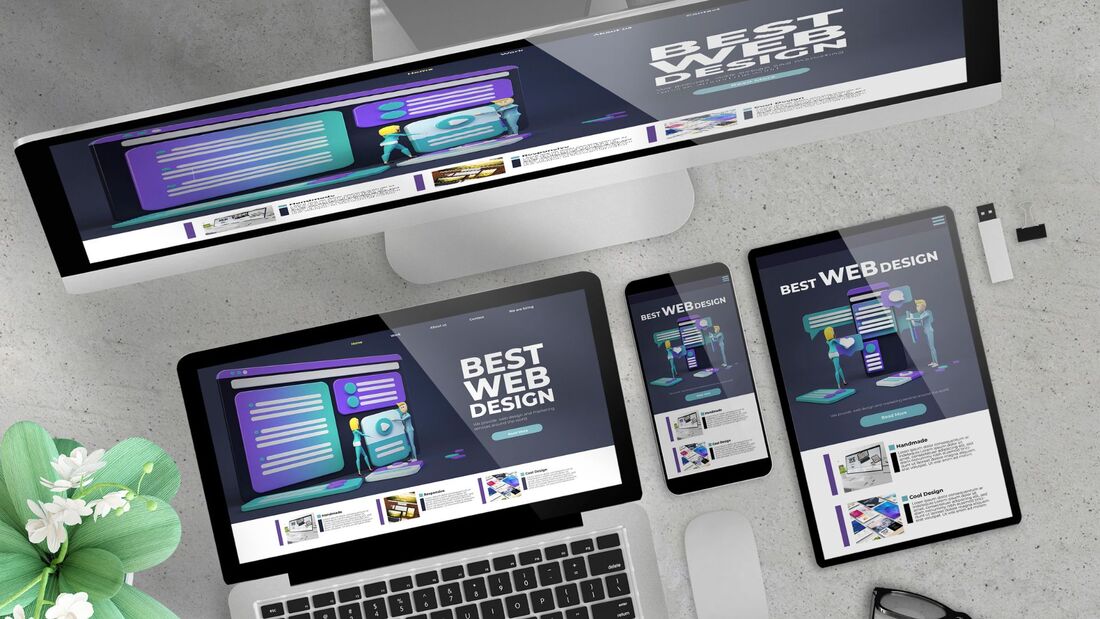 Here is a list of 10 items that are typically included on a website:
|


Archives
February 2024
Categories
All

|

 RSS Feed
Website Design Gettysburg | Services | Website Designer Near Me | Prices | Contact Gettysburg Website Design | Design Blog
From Our Blog
3 Steps to Improve Your Google Business Listing Ranking • Search Engine Optimization + GMB = More Leads & Sales! • Website SEO Checklist
Secrets To Building an Appealing Website For Any Niche
Secrets To Building an Appealing Website For Any Niche
|
Crawford Designs, LLC
Gettysburg Website Design |
© 2021 Gettysburg Website Design.
717-855-3184 |
SERVICES: Website Design, Local Gettysburg Website Design Services, Website Design Company, Website Development Company, Freelance Web Designer, Web Design Company, Web Development Company, Business Websites, Corporate Websites, Business Marketing and Advertising. Website Maker, Web Site Creator, Web Builder, Done For You Websites, Hire a Website Designer, How to Get a Business Website, best website design companies for small business, website design pa, website for small business owners, web design and marketing company, top website design company, york county web design, local web design companies near me, small business web design near me, web design westminster md, web designers in hanover pa, small design companies

